حلول محولات الطاقة الشمسية الهجينة للمصانع والمستودعات والمباني المكتبية
Dec 31, 2025
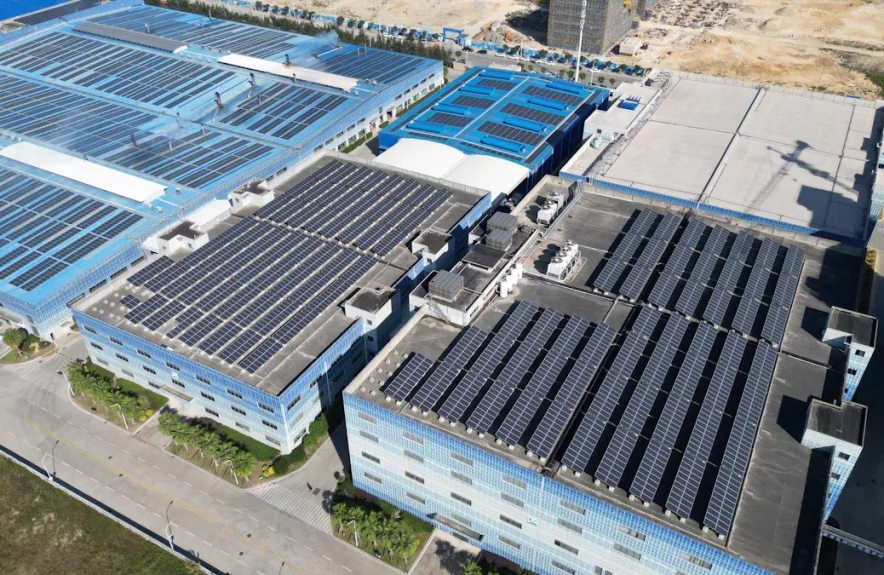
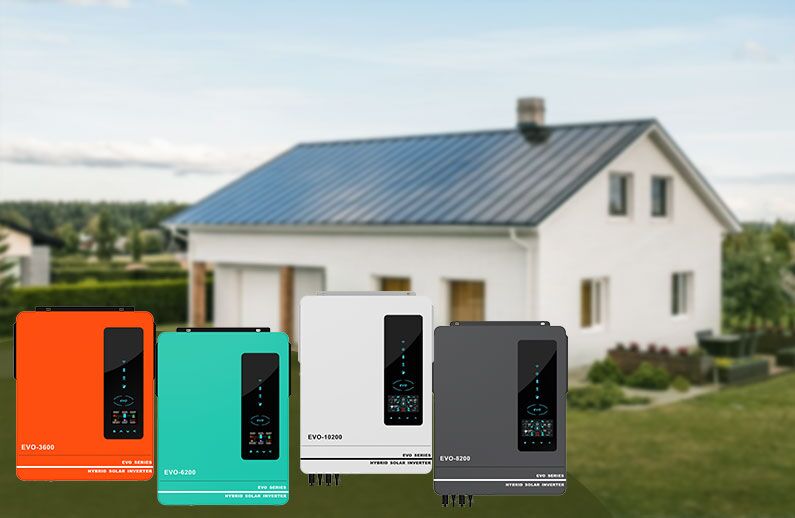
تسعى المصانع والمستودعات والمباني المكتبية إلى توفير المال في مجال الطاقة، كما ترغب في أن تسير أعمالها على ما يرام كل يوم. أنظمة العاكس الشمسي الهجينة تساعد هذه الأنظمة في توفير طاقة مستقرة للعمليات اليومية مع تقليل استهلاك الطاقة الإجمالي. وتختارها العديد من الشركات لتوفيرها طاقة نظيفة، كما أنها ترغب في الحصول على كهرباء متواصلة. يشهد السوق التجاري نموًا سريعًا، ومن المتوقع أن ينمو بنسبة 8.1% بحلول عام 2025. وتقدم الحكومة إعفاءات ضريبية ومنحًا، مما يُسهّل استخدام هذه الأنظمة. قد تُبطئ الأسعار المرتفعة والتكنولوجيا المعقدة من وتيرة النمو، لكن المزيد من الناس يرغبون في المساهمة في حماية البيئة.فوائد محولات الطاقة الشمسية الهجينة للشركاتكفاءة الطاقة وخفض التكاليفترغب الشركات في استخدام طاقة أقل وخفض تكاليف التشغيل. حلول العاكس الشمسي التجاريةتساعد الأنظمة الهجينة الشركات على التحكم بشكل أفضل في كيفية توليد الكهرباء وتخزينها واستهلاكها. وتختار هذه الأنظمة ما إذا كان ينبغي عليها استخدام الطاقة الشمسية، أو تخزينها، أو الحصول على الطاقة من الشبكة. وتتخذ هذه القرارات فورًا. ويساهم هذا النظام الذكي في خفض فواتير الكهرباء والحد من هدر الطاقة.نصيحة: يمكن للشركات توفير مبالغ كبيرة باستخدام أنظمة الطاقة الشمسية مع التخزين. إذ يمكنها خفض تكاليف استهلاك الطاقة، والتي قد تصل إلى نصف تكاليف الكهرباء. كما يمكنها خفض تكاليف الطاقة في أوقات الذروة بنسبة تصل إلى 30%.إليكم جدول يوضح مقدار الأموال التي يمكن للشركات توفيرها: نوع الدليلوصفنسبة التوفيرتخفيض رسوم الطلبقد تصل رسوم الطلب إلى 50% من إجمالي تكاليف الكهرباء.حتى 50%تكلفة الطاقة القصوىيمكن للشركات خفض تكاليف الطاقة في أوقات الذروة بنسبة تقارب 30% باستخدام أنظمة الطاقة الشمسية بالإضافة إلى أنظمة التخزين.ما يقرب من 30% تساعد أنظمة العاكسات الشمسية الهجينة الشركات على استرداد استثماراتها بشكل أسرع. وتحقق معظم المباني الكبيرة عائدًا على الاستثمار في غضون ثلاث إلى ست سنوات، ويتراوح معدل العائد عادةً بين 10% و20%.طاقة موثوقة وقدرة على الصمودتحتاج المصانع والمستودعات والمكاتب إلى الطاقة باستمرار. تحافظ أنظمة العاكس الشمسي الهجينة على استمرار الإضاءة حتى في حالة انقطاع التيار الكهربائي. محول طاقة شمسية مزود بمخرج مزدوج ذكييسمح هذا النظام بالتبديل بين وضعيات الربط بالشبكة ووضعيات التشغيل خارج الشبكة، مما يضمن استمرار تزويد الأحمال الحيوية بالطاقة أثناء انقطاع التيار الكهربائي عن الشبكة.ملاحظة: تحافظ محولات الطاقة الهجينة على استمرار التيار الكهربائي المهم أثناء انقطاع التيار. فهي تساعد الشركات على مواصلة العمل دون توقف.يوضح الجدول أدناه كيفية عمل الأنظمة المختلفة عند انقطاع التيار الكهربائي: نوع النظامانقطاع التيار الكهربائي؟ربط الشبكةالمكونات الرئيسيةالفائدة الأساسيةشبكة قياسية متصلةNoنعممحول متصل بالشبكةانخفاض تكلفة البدء، وتوفير في الفواتيرمتصل بالشبكة مع تخزيننعم (لبعض الشحنات)نعممحول هجين، مفتاح تحويلتوفير الطاقة وتوفير فواتير الطاقةخارج الشبكةنعم (بكامل الطاقة)Noمحول خارج الشبكةالاستقلال التام في مجال الطاقة تساهم أنظمة العاكسات الشمسية الهجينة في استقرار الشبكة الكهربائية، إذ تمنع ارتفاعات وانخفاضات الجهد، مما يحافظ على سلامة المعدات. كما تدعم هذه الأنظمة برامج الاستجابة للطلب، حيث يمكن للشركات خلال أوقات الذروة استخدام الطاقة المخزنة بدلاً من الشبكة، مما يحافظ على استقرارها ويوفر المال.الاستدامة والأهداف الخضراءتسعى العديد من الشركات إلى المساهمة في حماية البيئة وتحقيق أهدافها البيئية. وتُسهّل حلول العاكسات الشمسية الهجينة هذه العملية، إذ تستخدم طاقة نظيفة وتقلل من الاعتماد على الوقود الأحفوري. كما أن الطاقة الشمسية لا تُنتج انبعاثات مباشرة، مما يُقلل من البصمة الكربونية للمباني.تساعد أنظمة الطاقة الشمسية الهجينة على تقليل البصمة الكربونية للمباني من خلال استخدام كميات أقل من الوقود الأحفوري.فهي تساعد على جعل الهواء أنظف وتقليل انبعاثات الغازات الدفيئة.يساعد استخدام الطاقة المتجددة الشركات على تحقيق أهدافها البيئية.الطاقة الشمسية لا تُنتج انبعاثات مباشرة، لذا فهي خيار نظيف.يُعد التحول إلى الطاقة الشمسية وسيلة سريعة للشركات لتقليل بصمتها الكربونية.تُساعد أنظمة العاكسات الشمسية الهجينة الشركات أيضاً في الحصول على شهادات الاستدامة البيئية. تُنتج هذه الأنظمة كهرباء نظيفة وتُقلل انبعاثات النطاق 2، وهو أمر بالغ الأهمية لتقارير المناخ. كما تُمكّن أنظمة المراقبة المتقدمة الشركات من تتبع الطاقة الشمسية والإبلاغ عن مدى خفض الانبعاثات.تقوم محولات الطاقة الشمسية الهجينة بإنتاج كهرباء نظيفة، مما يقلل من البصمة الكربونية ويساعد الشركات على خفض انبعاثات النطاق 2، وهو أمر مهم لتقارير المناخ.تتيح المراقبة المتقدمة للشركات تتبع الطاقة الشمسية في الوقت الفعلي، حتى تتمكن من قياس خفض الانبعاثات والإبلاغ عنه.يضمن معيار IEC 62109 أن يتم بناء العاكس بشكل آمن.يحدد معيار IEEE 1547 قواعد كيفية عمل العاكسات مع الشبكة الكهربائية.يقوم معيار UL 1741 SB باختبار وتصديق أن العاكس يعمل بأمان وبشكل جيد.تساهم حلول محولات الطاقة الشمسية الهجينة أيضاً في تعزيز صورة الشركات كجهات مهتمة بالبيئة، إذ تبني الثقة مع العملاء الذين يحرصون على الخيارات الصديقة للبيئة، وتساعد الشركات على التميز.كيف تعمل أنظمة العاكس الشمسي الهجينة نظرة عامة على النظام والميزات الرئيسيةتساعد أنظمة العاكس الشمسي الهجينة المباني على استخدام الطاقة الشمسية بكفاءة. فهي تستخدم الألواح الشمسية والبطاريات لتخزين الطاقة الفائضة لاستخدامها لاحقًا. يختار النظام مصدر الطاقة الأمثل للمبنى، حيث يمكنه استخدام الطاقة الشمسية أو طاقة البطاريات أو طاقة الشبكة حسب الحاجة. وهذا يضمن استمرار الإضاءة حتى في حال انقطاع التيار الكهربائي. تستخدم العديد من الأنظمة الطاقة المخزنة عندما تكون الكهرباء أرخص، مما يساعد الشركات على توفير المال. كما يمكن للأفراد مراقبة استهلاكهم للطاقة من أي مكان. يمكن توسيع هذه الأنظمة لتلبية احتياجات الشركات المتزايدة من الطاقة، مما يجعلها خيارًا مثاليًا للمصانع والمستودعات والمكاتب. تلتزم أنظمة العاكس الشمسي الهجينة أيضًا بقواعد الشبكة لضمان سلامة الطاقة.نصيحة: يساعد الاستخدام الذكي للطاقة الشركات على توفير المال وتحسين أدائها.ميزةمحولات الطاقة الشمسية الهجينةمحولات التيار التقليديةالاستقلال الاجتماعييُمكّن من تحقيق الاستقلال في مجال الطاقة من خلال تخزين الطاقة بالبطارياتيعتمد كلياً على الطاقة الكهربائية من الشبكةتوفير التكاليفيقلل من فواتير الطاقة من خلال استخدام الطاقة الشمسية والتخزينوفورات محدودة، تعتمد بشكل أساسي على الشبكة الكهربائيةزيادة الكفاءةيحقق كفاءة تصل إلى 97%تصنيفات كفاءة أقل بشكل عامالمرونةمتوافق مع مختلف الألواح الشمسية وأنظمة البطارياتيقتصر على أنواع محددة من الألواحالطاقة الاحتياطية أثناء انقطاع التيار الكهربائييوفر طاقة احتياطية موثوقة أثناء انقطاع التيار الكهربائيلا توجد إمكانية للنسخ الاحتياطيالتحكم الذكي في الطاقةيستخدم برامج ذكية لإدارة الأحماليفتقر إلى ميزات متقدمة لإدارة الطاقةالتكامل مع تخزين البطاريات والشبكة الكهربائيةتعمل أنظمة العاكس الشمسي الهجينة بالتزامن مع البطاريات وشبكة الكهرباء للحفاظ على استقرار الطاقة. فهي تخزن الطاقة الشمسية الفائضة في البطاريات لاستخدامها لاحقًا، مما يُفيد أثناء انقطاع التيار الكهربائي أو عند ارتفاع تكلفة الطاقة. وتستطيع هذه الأنظمة التعامل مع كميات كبيرة من الطاقة من الألواح الشمسية والبطاريات الكبيرة، وهو أمر بالغ الأهمية للمباني الكبيرة. كما تُساهم في دعم شبكة الكهرباء من خلال الحفاظ على استقرار الجهد وجودة الطاقة. وتعمل أنظمة العاكس الشمسي الهجينة على نقل الطاقة بين مصادر الطاقة الشمسية والبطاريات وشبكة الكهرباء، مما يُساعد المباني على استخدام الطاقة النظيفة ويضمن استمرار عملها بكفاءة.في المصانع، تستخدم هذه الأنظمة الطاقة الشمسية والبطاريات لخفض التكاليف وتقليل استهلاك الطاقة من الشبكة.فهي توفر طاقة احتياطية في حالة انقطاع التيار الكهربائي، حتى لا يتوقف العمل.تساعد أنظمة العاكس الشمسي الهجينة الشبكة الكهربائية من خلال الحفاظ على استقرار الجهد.تحسين أنظمة التدفئة والتهوية وتكييف الهواء وشحن المركبات الكهربائيةتُساهم أنظمة العاكس الشمسي الهجينة في تحسين أداء أنظمة التكييف والتهوية ومحطات شحن السيارات الكهربائية. فهي تستخدم الطاقة الشمسية لتشغيل هذه الأنظمة، مما يُقلل التلوث ويُوفر المال. يُمكن للشركات إضافة المزيد من الألواح الشمسية والبطاريات عند الحاجة إلى طاقة إضافية، مما يُسهل إضافة المزيد من أجهزة شحن السيارات الكهربائية. يتم استرداد تكلفة تركيب نظام الطاقة الشمسية تدريجيًا. يُمكن تخزين الطاقة الزائدة أو إرسالها إلى الشبكة الكهربائية. استخدام المزيد من الطاقة الشمسية يعني تقليل انبعاثات الكربون، وبالتالي حماية البيئة. كما تُحافظ أنظمة العاكس الشمسي الهجينة على استقرار الطاقة، مما يحمي معدات التكييف والتهوية ومحطات شحن السيارات الكهربائية.الطاقة الشمسية تجعل شحن السيارات الكهربائية أنظف وتساعد البيئة.تسهل أنظمة العاكس الشمسي الهجينة إضافة المزيد من شواحن السيارات الكهربائية.يؤدي توفير الطاقة الزائدة أو بيعها إلى تحقيق وفورات طويلة الأجل.يساهم استخدام الطاقة الشمسية في خفض انبعاثات الكربون وتلوث الهواء.تحافظ هذه الأنظمة على استقرار الجهد والتردد لحماية المعدات.المكونات الرئيسية لحلول العاكسات الشمسية الهجينةالألواح الشمسيةتحوّل الألواح الشمسية ضوء الشمس إلى كهرباء. تستخدم معظم الشركات الألواح الشمسية أحادية البلورة، وهي شائعة الاستخدام لكفاءتها العالية. يمكن استخدام الألواح ثنائية الوجه أيضًا، لكنها أغلى ثمنًا وأقل شيوعًا. تتوفر أيضًا الألواح متعددة البلورات والألواح الرقيقة، لكنها لا تعمل بكفاءة أنظمة العاكس الشمسي الهجينة. تختار الشركات الألواح أحادية البلورة للحصول على أكبر قدر من الطاقة من أسطح مبانيها.أنواع العاكسات الهجينة (سلسلة، مركزية)تربط محولات الطاقة الهجينة الألواح الشمسية والبطاريات وشبكة الكهرباء. يوجد نوعان رئيسيان: محولات السلسلة ومحولات الطاقة المركزية. تُعد محولات السلسلة مناسبة للمباني التي ترغب في إضافة المزيد من الطاقة الشمسية تدريجيًا، حيث تُنتج طاقة أكبر في الواقع العملي لأن عددًا قليلًا فقط من الألواح يفقد الطاقة في حال تعرض بعضها للظل أو عدم تطابقها. أما محولات الطاقة المركزية فهي أفضل للأماكن الكبيرة كالمصانع والمستودعات، إذ تتعامل مع كميات كبيرة من الطاقة من العديد من الألواح الشمسية في آن واحد، تصل أحيانًا إلى ميغاواط. يوضح الجدول أدناه الفرق بين محولات السلسلة ومحولات الطاقة المركزية: نوع العاكسخصائص الكفاءةخصائص قابلية التوسعمحولات السلسلةإنتاجية طاقة أعلى في الواقع العملي؛ خسائر محصورة في مناطق صغيرة بسبب التظليل/عدم تطابق الألواح.قابل للتوسع بشكل كبير لتحقيق نمو تدريجي.محولات مركزيةكفاءة تصنيفية أعلى (تصل إلى 99٪)؛ خسائر عدم تطابق أكبر في ظل ظروف أقل من المثالية.لا يمكن التوسع إلا من خلال قفزات كبيرة في السعة. نصيحة: تتيح محولات السلسلة للشركات زيادة الطاقة الشمسية تدريجياً. أما المحولات المركزية فهي الأنسب للمشاريع الكبيرة التي تحتاج إلى كميات كبيرة من الطاقة دفعة واحدة.تخزين البطارياتيُمكّن تخزين الطاقة في البطاريات المباني من الاحتفاظ بالطاقة الشمسية الفائضة لاستخدامها لاحقًا. تقوم أنظمة العاكس الشمسي الهجينة بشحن البطاريات عندما تكون الشمس مشرقة. وفي الليل أو عند انقطاع التيار الكهربائي، توفر البطاريات طاقة احتياطية. هذا يعني أن المباني لا تحتاج إلى كميات كبيرة من كهرباء الشبكة، مما يُساهم في توفير المال. كما يُساعد تخزين الطاقة في البطاريات الشركات على إدارة استهلاكها للطاقة بشكل أفضل. يوضح الجدول أدناه وظائف البطاريات: الوظائفوصفتخزين الطاقةتقوم محولات الطاقة الهجينة بتخزين الطاقة الشمسية الإضافية في البطاريات لاستخدامها لاحقاً.الكفاءة في التكلفةيضمن ذلك توفر الطاقة الشمسية الرخيصة عندما ترتفع تكلفة الطاقة الكهربائية من الشبكة.طاقة احتياطيةيوفر الطاقة أثناء انقطاع التيار الكهربائي، وخاصة في الليل. تستخدم الأنظمة الهجينة كلاً من الطاقة الشمسية وطاقة الشبكة الكهربائية.إنهم يبقون الكهرباء موصولة طوال اليوم.فهي تخزن طاقة إضافية وتساعد الشركات على استخدام طاقة الشبكة الكهربائية بشكل أقل.أنظمة إدارة الطاقةتساعد أنظمة إدارة الطاقة المباني على استخدام الطاقة بذكاء. تراقب هذه الأنظمة كمية الطاقة القادمة من الألواح الشمسية والبطاريات وشبكة الكهرباء، وتختار المصدر الأمثل بناءً على الاحتياجات الحالية. وبذلك، تستطيع الشركات خفض تكاليف الطاقة، بل والحصول على أرصدة من خلال بيع الطاقة الفائضة. كما تحافظ أنظمة إدارة الطاقة على استقرار الجهد والتردد لحماية المعدات، وتساعد الشركات على تقليل اعتمادها على شبكة الكهرباء.تعمل محولات الطاقة الشمسية الهجينة على تحسين تدفق الطاقة.تستهلك الشركات طاقة أقل من الشبكة الكهربائية وتوفر المال.توفر أنظمة تخزين الطاقة بالبطاريات طاقة احتياطية في حالة انقطاع التيار الكهربائي عن الشبكة.تحافظ محولات تشكيل الشبكة على استقرار الجهد والتردد.تحصل الشركات على مزيد من الاستقلالية في مجال الطاقة وتخفض تكاليفها.تطبيقات في المصانع والمستودعات والمكاتب المصانع: إدارة الأحمال العالية وذروة الطلبتستهلك المصانع كميات كبيرة من الكهرباء لتشغيل الآلات. وتساعد أنظمة العاكسات الشمسية الهجينة المصانع على تلبية احتياجاتها الكبيرة من الطاقة، حيث تستخدم الطاقة الشمسية خلال النهار، وتتحول إلى طاقة البطاريات في أوقات أخرى. ويمكن للمصانع اختيار نماذج مثل وحدات 30 ألف أو 60 ألف لتناسب احتياجاتها. ويساعد خرج التيار ثلاثي الأطوار على تشغيل الآلات الثقيلة واستمرار العمل. وتتصل هذه الأنظمة بشبكة الكهرباء في المبنى، مما يجعل التحديثات سهلة. ويضمن الفحص والتنظيف الدوريان للنظام استمرارية عمله بكفاءة. كما أن الصيانة المبكرة للنظام تجنّب الإصلاحات المكلفة وضياع الوقت. وقد تحتاج العواكس إلى الاستبدال كل 10 إلى 15 عامًا، بينما قد تضعف البطاريات مع مرور الوقت.المستودعات: الطاقة الشمسية على الأسطح وصيانة منخفضةتتميز المستودعات بأسطحها الكبيرة المناسبة لتركيب الألواح الشمسية. تتيح أنظمة العاكس الشمسي الهجينة للمستودعات استخدام الطاقة الشمسية المولدة من الأسطح وتوفير الطاقة الزائدة. لا تتطلب هذه الأنظمة صيانة كبيرة وتساعد على توفير المال. يوضح الجدول أدناه مقارنة بين خيارات الطاقة المختلفة للمستودعات: خيار الطاقةتكلفة الإعدادالتكلفة التشغيليةصيانةالاستقلال الاجتماعيالكهرباء من الشبكة فقطقليلرسوم شهرية مرتفعةمعتدللا أحدمولدات احتياطية تعمل بالديزلواسطةمرتفع جداً (الوقود + الضوضاء)متكررجزئينظام الطاقة الشمسية + العاكسواسطةمنخفض جداًالحد الأدنىعاليالطاقة الشمسية الهجينة + التخزينأعلىمنخفض جدًا (استخدام ذاتي مُحسَّن)قليلمكتمل يمكن لأنظمة الطاقة الشمسية الكبيرة في المستودعات المزودة بمحولات هجينة أن تخفض فواتير الكهرباء بنسبة تصل إلى 45%. كما أنها تقلل انبعاثات ثاني أكسيد الكربون بأكثر من 70 طنًا سنويًا لكل مبنى. يجب فحص الأجزاء المهمة، مثل الألواح الشمسية وحواملها، دوريًا لتجنب التلف. إن العناية بالنظام مبكرًا توفر المال وتضمن استمرارية عمله.المكاتب: كفاءة مكان العمل وراحتهتُحسّن أنظمة العاكس الشمسي الهجينة كفاءة استهلاك الطاقة وراحة المكاتب. توفر هذه الأنظمة طاقة نظيفة للإضاءة وأجهزة الكمبيوتر والتكييف. بعد إضافة الألواح الشمسية وتوفير الطاقة، انخفض استهلاك المكاتب للطاقة بنسبة 65%. يمكن لأنظمة الطاقة الشمسية الكهروضوئية توفير 20% من الطاقة، مما يُحقق وفورات إجمالية تصل إلى 85%. انخفض متوسط استهلاك الطاقة في المكاتب من 10.2 كيلوواط إلى 3.6 كيلوواط بعد التحديثات. تُنتج بعض الألواح الكهرباء والحرارة معًا. على سبيل المثال، أدى تركيب وحدات الطاقة الشمسية الكهروضوئية على السطح والجدران إلى خفض استهلاك الحرارة والطاقة. وفرت الطاقة الشمسية 98.4% من التبريد و51.6% من الكهرباء. يمكن للمكاتب توسيع أنظمتها عند الحاجة وربطها بالأنظمة الموجودة لديها.اختيار الحل الأمثل لعكس الطاقة الشمسية الهجينتقييم حجم المنشأة واحتياجاتهايستهلك كل مبنى كمية مختلفة من الطاقة. لذا، يحتاج مديرو المرافق إلى التحقق من مساحة المبنى، بالإضافة إلى كمية الطاقة التي يستهلكها يوميًا. كما أن نوع المعدات الموجودة بداخله مهم أيضًا. فالمكتب الصغير لا يحتاج إلى نفس كمية الطاقة التي يحتاجها مصنع كبير. يوضح الجدول أدناه أحجام الألواح الشمسية والبطاريات المناسبة لمختلف المباني: نوع المنشأةحجم الطاقة الشمسيةحجم البطاريةالحمل الأقصىأفضل حجم للمحولشقة صغيرة3 كيلو واط5 كيلوواط ساعة2.5 كيلوواط3-4 كيلوواطالبيت المتوسط6 كيلوواط10 كيلوواط ساعة5 كيلوواط5-6 كيلوواطمنزل كبير مزود بسيارة كهربائية10 كيلوواط20 كيلوواط ساعة9 كيلوواط8-10 كيلوواط تحتاج المصانع والمستودعات إلى أنظمة طاقة أكبر من تلك التي تحتاجها المنازل. ينبغي على المديرين التحقق من أعلى معدلات استهلاك الطاقة والتفكير في الاحتياجات المستقبلية. اختيار الحجم المناسب يوفر المال ويضمن طاقة مستقرة.مقارنة الأنظمة الهجينة والتقليديةيحتاج المديرون إلى النظر في كل من الأنظمة الهجينة والتقليدية. وينبغي عليهم التفكير في ما يلي:كم سيكلف النظام من المالما هي أهداف الطاقة التي تسعى إليها الشركة؟إذا لزم تخزين البطاريةما مدى الرغبة في تحقيق استقلال الطاقةإذا كانت الطاقة الاحتياطية مهمةمدى صعوبة استخدام النظامينبغي على المديرين أيضاً:تحقق من كمية الطاقة التي يستهلكها المبنىفكر في التكلفة الأولية المرتفعةقارن تكاليف الإعداد والصيانة مع الأموال التي سيتم توفيرها لاحقًاتتميز أنظمة العاكسات الشمسية الهجينة بمرونة أكبر، حيث توفر طاقة احتياطية أفضل من الأنظمة القديمة. وتساعد هذه الأنظمة الشركات على تحقيق أهدافها في مجال الطاقة وتوفير المال على المدى الطويل.العمل مع مقدمي خدمات مؤهلينمن المهم اختيار مزود خدمة موثوق لضمان السلامة والحصول على نتائج جيدة. يجب على مزودي الخدمة الالتزام بالقواعد المهمة والحصول على الشهادات اللازمة. يوضح الجدول أدناه بعض المعايير الرئيسية: معيارغايةUL 1741 SBيتأكد من أن العاكس آمن وتم اختباره جيداً.IEEE 1547يحدد قواعد ربط الطاقة الشمسية والتخزين بالشبكة.IEC 62109يضع قواعد السلامة لحماية الناس من مخاطر الكهرباء. يعرف المزود الجيد كيفية العمل على المشاريع الكبيرة، كما أنه على دراية بالقوانين المحلية. وينبغي عليه المساعدة في التركيب والصيانة، مما يضمن سلامة النظام واستمرارية عمله لفترة طويلة. تُعدّ حلول محولات الطاقة الشمسية الهجينة مفيدة للغاية للمباني الكبيرة، إذ توفر طاقة نظيفة ومستقرة، وتُخفّض فواتير الطاقة. تُساعد هذه الأنظمة المباني على ترشيد استهلاك الطاقة، حيث يُمكنها تخزين الطاقة الفائضة لاستخدامها لاحقًا، مما يُقلّل من استهلاك الشركات للوقود الأحفوري. كما يُمكن لمديري المرافق توسيع النظام عند الحاجة إلى طاقة أكبر. يُبيّن الجدول أدناه كيف تُساهم محولات الطاقة الشمسية الهجينة في النمو ومواكبة التكنولوجيا الحديثة. فائدةوصفقابلية التوسعالتصميمات المعيارية تجعل من السهل إضافة المزيد مع ازدياد احتياجات الطاقة.الكفاءة في التكلفةيوفر المال من خلال عدم شراء الكثير من المعدات في البداية.المرونة من أجل النمويُمكّن الشركات من زيادة قوتها تدريجياً مع نموها. ينبغي على مديري المرافق التحقق من احتياجات مبانيهم. وعليهم التفكير في استخدام محولات الطاقة الشمسية الهجينة لتوفير المال والمساهمة في حماية البيئة مستقبلاً.




 دعم الشبكة
 لغة
لغة


