

كيفية اختيار العاكس الهجين المناسب بدقة بناءً على إجمالي طاقة الألواح الشمسية
تضمن كفاءة النظام وسلامته على النحو الأمثل من خلال مطابقة طاقة الألواح الشمسية مع محول طاقة مناسب الحجم. تُظهر الأبحاث أن عدم تطابق الألواح الشمسية قد يتسبب في خسائر كبيرة في الطاقة عبر النظام. توفر خيارات الألواح الشمسية المتقدمة من أنيرن أداءً عاليًا، بينما مورد بالجملة للألواح الشمسية يقدم حلاً موثوقاً للمشاريع واسعة النطاق.
احسب إجمالي الطاقة الناتجة من مجموعة الألواح الشمسية لديك بضرب قدرة كل لوحة (بالواط) في عدد الألواح. هذه الخطوة ضرورية لاختيار العاكس المناسب.
استخدم نسبة تيار مستمر/متردد تتراوح بين 1.1 و 1.3 للحصول على الحجم الأمثل للعكس. هذا يضمن التشغيل الفعال ويزيد من الاستفادة من الطاقة الشمسية.
احرص دائمًا على مطابقة المواصفات الفنية لألواحك الشمسية مع مواصفات جهاز العاكس. هذه المطابقة ضرورية لسلامة النظام وكفاءته وموثوقيته على المدى الطويل.
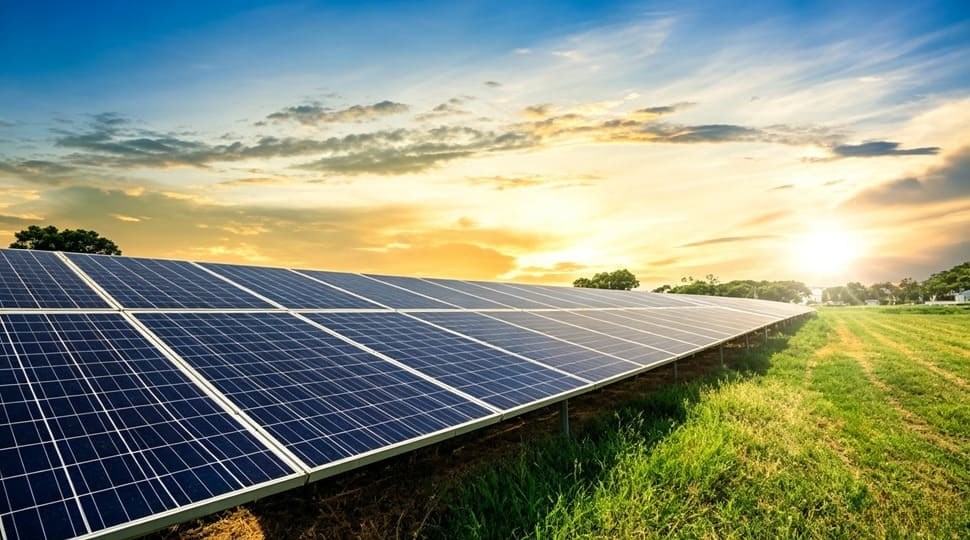
يجب أن تبدأ بتحديد إجمالي الطاقة الناتجة من مجموعة الألواح الشمسية لديك. تشكل هذه العملية الحسابية الأساس لاختيار محول الطاقة الشمسية المناسب لأي تركيب تجاري. تتضمن الطريقة القياسية في هذا المجال ضرب القدرة المقدرة لكل لوحة في عدد الألواح في نظامك. على سبيل المثال، إذا كنت تستخدم محول Anern's لوحة شمسية من النوع P بقدرة 460 واط، نصف مقطوعةوإذا قمت بتركيب 20 لوحة، فسيكون إجمالي قدرة الألواح الشمسية لديك 9200 واط.
نصيحة: استخدم دائمًا تصنيف حالة الاختبار القياسية (STC) لكل لوحة لضمان دقة الحسابات.
يوضح الجدول التالي النهج الموصى به لحساب إجمالي طاقة الألواح الشمسية في نظام تجاري:
عنصر | وصف |
|---|---|
قدرة مصفوفة الخلايا الكهروضوئية بالواط | قدرة اللوحة (STC) × عدد اللوحات |
متوسط ساعات سطوع الشمس | المتوسط السنوي (عادةً ما يتراوح بين 4.0 و 5.5 ساعات لمعظم المواقع التجارية) |
عامل الكفاءة | استخدم 75% للظروف العامة، وما يصل إلى 80% للتركيبات المثالية |
ساعات الواط اليومية | قدرة مصفوفة الخلايا الكهروضوئية بالواط × ساعات سطوع الشمس × عامل الكفاءة |
مثال | 9200 واط × 5.5 ساعات × 0.75 = 37950 واط ساعة أو 37.95 كيلوواط ساعة في اليوم |
يلعب اتجاه الألواح وميلها دورًا حاسمًا في زيادة إنتاج الطاقة إلى أقصى حد. لذا، ينبغي وضع الألواح بما يتناسب مع خط عرض موقع التركيب وتوجيهها نحو خط الاستواء. يضمن هذا النهج أعلى مستوى ممكن من الإشعاع الشمسي وإجمالي توليد الطاقة. حتى التظليل الطفيف قد يتسبب في خسائر كبيرة، لذلك يجب تصميم منظومة الألواح لتقليل الظلال إلى أدنى حد ممكن طوال اليوم.
بعد حساب إجمالي قدرة الألواح الشمسية، يجب تطبيق نسبة التيار المستمر إلى التيار المتردد لتحديد الحجم الأمثل للمحول. تقارن هذه النسبة إجمالي طاقة التيار المستمر من الألواح بقدرة التيار المتردد للمحول. توصي المعايير الدولية بنسبة تيار مستمر إلى تيار متردد تتراوح بين 1.1 و1.3 لمعظم أنظمة الطاقة الشمسية التجارية. يتيح هذا النطاق للمحول العمل بكفاءة عالية ويضمن الاستفادة القصوى من الطاقة الشمسية.
تدعم معظم محولات الألواح الشمسية الحديثة حملاً زائداً مستمراً للتيار المتردد يصل إلى 1.1 ضعف.
تعتبر نسبة التيار المستمر إلى التيار المتردد من 1.2 إلى 1.5 مثالية لتحقيق موثوقية انعدام التصدير والاستهلاك الذاتي العالي.
على سبيل المثال، عادةً ما تتناسب مجموعة الألواح الشمسية بقدرة 12 كيلوواط بشكل جيد مع محول بقدرة 10 كيلوواط للألواح الشمسية.
ملحوظة: يساعد زيادة حجم المصفوفة العاكس على الوصول إلى ذروة الكفاءة في وقت مبكر من اليوم ويعوض عن تدهور الألواح بمرور الوقت.
نسبة تحميل العاكس (ILR) هي مقياس رئيسي آخر. تُمكّن نسبة تحميل العاكس المُصممة جيدًا العاكس من العمل ضمن نطاق كفاءته القصوى لفترات أطول، مما يزيد من إنتاج الطاقة ويُطيل عمر النظام. من خلال الحفاظ على نسبة تحميل عاكس أعلى قليلًا، يُمكنك الحصول على المزيد من الطاقة خلال الأيام الغائمة وتعويض خسائر الأداء على المدى الطويل.
يجب التأكد من توافق المواصفات الفنية لمجموعة الألواح الشمسية مع العاكس الذي اخترته. هذه الخطوة ضرورية لسلامة النظام وكفاءته وموثوقيته على المدى الطويل. يلخص الجدول التالي المواصفات الرئيسية التي يجب عليك مطابقتها:
مواصفة | وصف |
|---|---|
تصنيفات الجهد والطاقة | يجب أن يقع إجمالي جهد سلسلة الألواح ضمن نطاق جهد التشغيل الخاص بجهاز العاكس بتقنية تتبع نقطة الطاقة القصوى (MPPT). |
جهد الدائرة المفتوحة (Voc) | يجب ألا يتجاوز جهد الدائرة المفتوحة المجمع لألواحك الحد الأقصى لجهد دخل التيار المستمر للعكس. |
التصنيفات الحالية | يجب ألا يتجاوز إجمالي التيار الخارج من الألواح حد تيار الإدخال الخاص بالعكس. |
توافق العاكس | تأكد من أن جميع الألواح والعاكس يستخدمان بروتوكولات وموصلات اتصال متوافقة. |
إذا كنت تستخدم ألواحًا ذات قدرة كهربائية عالية، مثل ألواح أنيرن لوحة شمسية ثنائية الوجه من النوع N بقدرة 580 واطيجب عليك إيلاء اهتمام خاص لحسابات الجهد والتيار. تعمل أنظمة الجهد العالي على تقليل تدفق التيار، مما يقلل من فقد الطاقة في الكابلات ويحسن كفاءة الطاقة الإجمالية. يجب عليك دائمًا التأكد من أن تكوين لوحة التحكم لديك يتوافق مع نطاق تتبع نقطة الطاقة القصوى (MPPT) للعكس. إذا انخفض الجهد خارج هذا النطاق، فقد لا يعمل العكس بكفاءة أو قد يتوقف عن العمل.
تنبيه: يؤدي عدم تطابق التيار في الألواح المتصلة على التوالي إلى تشغيل السلسلة بأكملها بأقل تيار، مما يهدر الطاقة الكامنة. لذا، احرص دائمًا على مطابقة مواصفات الألواح والعاكس لتجنب الخسائر التراكمية في الأداء.
بالنسبة لتركيبات الطاقة الشمسية التجارية، يجب مراعاة متطلبات الشبكة عند اختيار عاكس الألواح الشمسية. ينبغي أن يدعم العاكس أوضاع التشغيل المطلوبة لعملك، مثل الربط بالشبكة، أو النسخ الاحتياطي، أو الاستهلاك الذاتي، أو تقليل ذروة الطلب. يوضح الجدول التالي أوضاع الربط الشائعة بالشبكة:
وضع | وصف |
|---|---|
مربوط بالشبكة | يعمل كنظام قياسي متصل بالشبكة |
النسخ الاحتياطي | يوفر الطاقة أثناء انقطاع التيار الكهربائي |
الاستهلاك الذاتي | يعطي الأولوية للاستخدام المباشر للطاقة الشمسية |
حلاقة الذقن | يقلل من استهلاك الشبكة خلال فترات ارتفاع الأسعار |
يجب التأكد من توافق جهد العاكس مع جهد الشبكة الكهربائية في موقع التركيب. بالنسبة للأنظمة التجارية واسعة النطاق، تُعدّ التكوينات ذات الجهد العالي (مثل 48 فولت أو أعلى) قياسية، لأنها تدعم قدرة طاقة أكبر وتُحسّن السلامة. تحقق دائمًا من أن عاكس الألواح الشمسية الخاص بك يفي بلوائح الشبكة المحلية ومتطلبات شركة الكهرباء.
نصيحة: قم بفحص الوصلات بانتظام ومراقبة سجلات النظام للحفاظ على الأداء الأمثل وموثوقية النظام.
باتباع هذه الخطوات، تضمن أن مجموعة الألواح الشمسية الخاصة بك مع البطارية والعاكس توفر أقصى قدر من إنتاج الطاقة، وكفاءة عالية، وقيمة طويلة الأجل لعملائك التجاريين.

يجب عليك تقييم عدة عوامل لضمان عمل الألواح الشمسية والعاكس الهجين بكفاءة. ابدأ بالتأكد من تطابق قيم الجهد والتيار للعاكس مع خرج الألواح. على سبيل المثال، عند استخدام خيارات متقدمة مثل الألواح الشمسية ثنائية الوجه من النوع N بقدرة 580 واط، عليك التحقق من توافق نطاق تتبع نقطة الطاقة القصوى (MPPT) للعاكس مع نقطة الطاقة القصوى للألواح. راجع سعة طاقة العاكس وتأكد من توافقه مع معايير شبكة نظامك. قيّم توافق البطارية والعاكس، حتى لو لم يتضمن نظامك الحالي تخزينًا للطاقة، لضمان جاهزية نظامك للمستقبل. ابحث عن كفاءة تحويل عالية، ومداخل MPPT متعددة، وميزات حماية قوية. تدعم العواكس الهجينة الموثوقة أيضًا المراقبة عن بُعد وإدارة الطاقة الذكية، وهما أمران أساسيان لأنظمة الطاقة الشمسية التجارية.
سعة الطاقة وتكامل النظام
توافق البطارية ووظائف التحكم
كفاءة التحويل وتحسين نقطة القدرة القصوى
أداء النسخ الاحتياطي والتشغيل خارج الشبكة
المراقبة عن بعد والإدارة الذكية للطاقة
الشهادات، وميزات الحماية، ومتانة البناء
يُعدّ اختيار الحجم المناسب لعواكس الطاقة الشمسية أمرًا بالغ الأهمية لأنظمة الألواح الشمسية التجارية. فزيادة حجم العاكس الهجين عن الحدّ المطلوب يؤدي إلى انخفاض الكفاءة عند الأحمال المنخفضة، وهدر المال على سعة غير مستغلة، وزيادة استهلاك الطاقة الطفيلية. أما تقليل حجم العاكس عن الحدّ المطلوب فيحدّ من إجمالي إنتاج الطاقة، وقد يُقصّر من عمر الألواح والعاكس. يلخص الجدول التالي سيناريوهات اختيار الطاقة الشائعة للعواكس الهجينة وتأثيراتها على التكاليف على المدى الطويل:
سيناريو | كفاءة | هدر الطاقة | التكاليف الأولية | عمر البطارية |
|---|---|---|---|---|
محول طاقة ذو حجم مناسب | عالي | قليل | أدنى | ممتد |
محول طاقة كبير الحجم | قليل | عالي | أعلى | مخفض |
تشمل الأخطاء الشائعة إغفال التوافق، وتجاهل تقييمات الكفاءة، والاختيار بناءً على التكلفة الأولية فقط. لذا، ينبغي عليك دائمًا تقييم توافق المكونات واستشارة المختصين.
ينبغي التخطيط لزيادة سعة الألواح الشمسية مستقبلاً. اختر عاكسًا هجينًا يسمح بالتوسع المعياري ويدعم إضافة ألواح أخرى. تتميز العديد من العواكس الهجينة الشمسية التجارية بوحدات طاقة قابلة للتكديس وواجهات سهلة التركيب، مما يُسهّل التوسع من 5 كيلوواط إلى 30 كيلوواط أو أكثر. يضمن تحديث البرامج الثابتة ميدانيًا ومنافذ الاتصال المتطورة توافق نظامك مع المعايير الحديثة. تدعم مجموعة الألواح الشمسية المصممة جيدًا، والمزودة ببطارية وعاكس، النمو طويل الأجل وتُحسّن إنتاج الطاقة إلى أقصى حد.
ميزة | وصف |
|---|---|
وحدات طاقة قابلة للتكديس | قم بزيادة السعة من 5 كيلوواط إلى أكثر من 30 كيلوواط عن طريق إضافة وحدات |
توسعة سهلة التركيب والتشغيل | أضف الألواح ووحدات التخزين تدريجياً |
اتصالات مقاومة للمستقبل | منافذ متعددة لمعايير الشبكة المتطورة |
برنامج ثابت قابل للتحديث ميدانيًا | تلقّي التحديثات والميزات الجديدة بمرور الوقت |
من خلال مطابقة الألواح والمحولات الهجينة بشكل صحيح، تضمن إنتاجية عالية وموثوقية النظام وقيمة طويلة الأجل لكل تركيب شمسي تجاري.
تعمل مطابقة العاكس الدقيقة على تحسين موثوقية النظام وأدائه من خلال دعم استقرار الشبكة وتوفير طاقة عالية الجودة.
ينبغي اتباع الخطوات المحددة لتحديد حجم الطاقة اللازمة لألواح الطاقة الشمسية، واستشارة المختصين للحصول على حلول مصممة خصيصًا لاحتياجاتك. ضع في اعتبارك التغيرات الموسمية، واحرص على صيانة نظام الطاقة الشمسية، وراجع جميع المتطلبات الفنية قبل اختيار العاكس المناسب.
تقوم بضرب إجمالي قدرة اللوحة بالواط في نسبة التيار المستمر/المتردد الموصى بها، ثم تختار عاكسًا بتصنيفات الجهد والتيار المتوافقة.
يؤدي استخدام محول طاقة ذي قدرة أكبر من اللازم إلى هدر الطاقة والمال، بينما يؤدي استخدام محول طاقة ذي قدرة أقل من اللازم إلى الحد من الإنتاج وتقصير عمر المعدات. لذا، يجب عليك دائمًا مطابقة حجم محول الطاقة مع إجمالي قدرة الألواح الشمسية لديك.
تأكد من أن جهد سلسلة الألواح يقع ضمن نطاق تتبع نقطة الطاقة القصوى (MPPT) الخاص بالعكس. هذه الخطوة تزيد من كفاءة استخلاص الطاقة وتمنع توقف النظام.

بريد إلكتروني : g-ad@anern.com
يضيف :5th Floor, Building B, No.2817 Kaichuang Avenue, Science Zone, Huangpu District, Guangzhou, China


Anern Industry Group Limited كل الحقوق محفوظة
.Xml | سياسة الخصوصية  دعم الشبكة
 لغة
لغة


